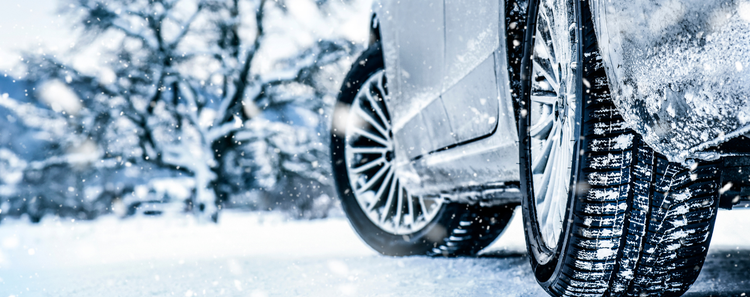
What Are Winter Tires?
Winter tires are specifically engineered to provide maximum grip, handling, and safety in cold, snowy, and icy conditions. Made with special rubber compounds that stay flexible below 7°C, winter tires deliver superior traction and braking performance when temperatures drop — even on dry pavement.
Unlike All-Season or All-Weather tires, Winter tires are designed solely for cold-weather performance, offering unmatched control during Canada’s harshest winter months.
The Driving Difference at 7 ℃
Tire Comparison Table
Tip: For areas with severe winter weather, dedicated Winter tires are always the safest choice. Swap back to All-Season or All-Weather tires once temperatures rise consistently above 7°C.
Winter Tire FAQs
Who should choose winter tires?
Winter tires are essential for drivers who face frequent snowfall, icy roads, or long stretches of cold weather. They’re also the best choice for motorists who want maximum safety, traction, and control in harsh winter conditions. If you live in an area with winter tire regulations (like Quebec or parts of British Columbia), winter tires may be required.
If your region experiences a long, cold winter, switching to winter tires provides the traction, confidence, and peace of mind you need on the road.
When should Winter tires be installed?
Switching early helps ensure you’re ready before the first major snowfall.
Can Winter tires be used year-round?
How do I know if my tires are Winter-rated?
If you’re uncertain, visit your nearest Fountain Tire store and one of our experts will confirm for you.
What can you do to look after your new winter tires?
1. Regularly inspect tire pressure (PSI) and adjust to the manufacturer’s recommended pressure found in your owner’s manual or on the driver’s door jamb. Proper maintenance can lower fuel costs and help protect the environment.
2. Get an annual wheel alignment service. Hitting bumps and potholes gradually throws off alignment, causing uneven wear and increased rolling resistance. We recommend an alignment once a year or if you notice steering pull or tire damage.
3. Switch tires at the correct time. Follow the 7℃ rule — change out winter tires when average temperatures consistently rise above 7℃.
Is the tread different on winter tires?
| Yes. Winter tires have a single-directional tread that pushes away snow and ice. They include grooves (sipes) for better grip and handling and have a deeper tread. Tires must have at least 3.5 mm of tread remaining to be considered winter tires. |
Will having two sets of tires cost more?
Are winter tires required by law?
British Columbia: From October 1 to March 31, drivers must obey winter tire and chain signage. Mountain/snowflake tires are recommended for cold weather driving, and chains are advised in extreme conditions.
Quebec: Winter tires are mandatory from December 15 to March 15.
Can you replace just two tires? |