image
heroType
image
uptitle
Fountain Tire
headingText
Trailer Tires
description
Hauling Made Easy
descriptionSize
18
buttonsSize
medium
firstButtonHref
https://main--fountain-tire-b2c-eds--ca-mtla-valtech.aem.page/tires/shop
firstButtonText
Shop for Tires
firstButtonType
primary-dark
firstButtonIcon
true
secondButtonHref
secondButtonText
secondButtonType
secondButtonIcon
divider
true
overlay
true
textColor
verticalAlign
bottom
horizontalAlign
left
height
medium
video
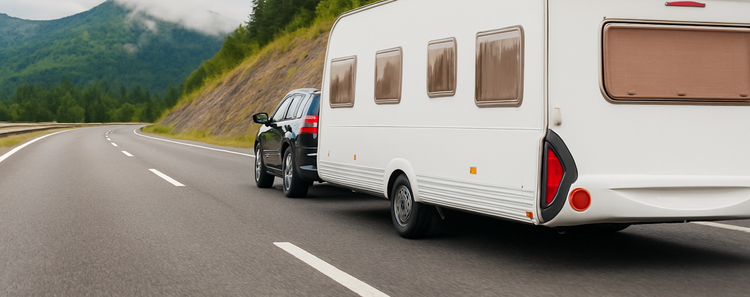
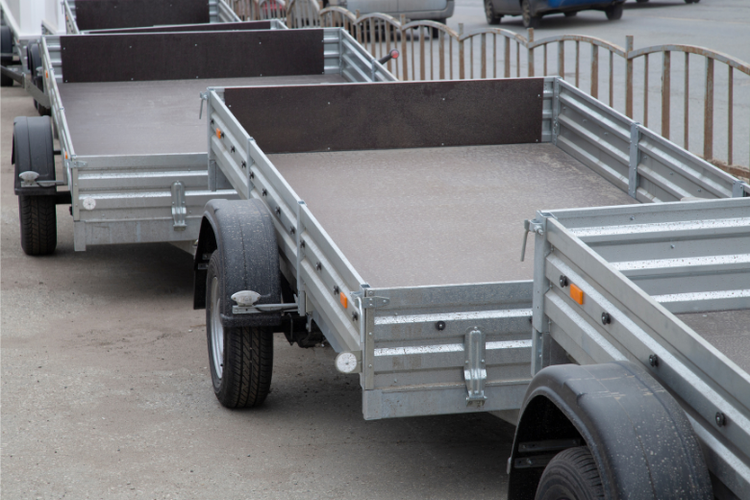
We can set you up with the right tires that are durable and safe, so you and your toys can handle the open road wherever it may take you. Looking for the right tire type for your trailer? Use our search tool to find tires for RVs, Recreational and Utility Trailers.
columns
2
columnsTitle
Tips for Hauling a Trailer
colorMode
blue
background
grey
card1Title
Trailer Inspection
card1Description
card1SecondaryDescription
To avoid having to ditch your trailer because of a flat tire or seized wheel bearing, we recommend getting your trailer inspected by a company that sells and maintains trailers.
card1Link
card1Icon
card1IconYellow
card2Title
Secure Your Load
card2Description
card2SecondaryDescription
Pulling a trailer without properly securing the load is illegal and dangerous. We recommend double checking the cover, straps, and/or fasteners that are securing your load.
card2Link
card2Icon
card2IconYellow
card3Title
Use a Spotter
card3Description
card3SecondaryDescription
When backing up with a trailer, it is always a good idea to have someone you trust as a spotter to help avoid hitting anything or anyone. Make sure your spotter is positioned so you can see and hear them.
card3Link
card3Icon
card3IconYellow
card4Title
Take Your Time
card4Description
card4SecondaryDescription
The added weight of the trailer will slow your acceleration, make turns more difficult, and increase your braking distance. It's important to account for these changes while pulling a trailer.
card4Link
card4Icon
card4IconYellow

Pick the right equipment for the job.

This includes a vehicle with the appropriate towing capacity, the right type and size of trailer hitch, functioning trailer lights and of course, the right tires. It is best to reference your owner’s manual for the vehicle’s maximum towing capacity and gross combined weight rating (GCWR). This refers to the total amount of weight allowed for your entire setup, including vehicle, occupants, and cargo, in addition to the load on the trailer and the trailer itself.

Trailer Tire FAQs

What makes trailer tires different from car tires?

Unlike tires on your car, trailer tires have strengthened sidewalls to handle the weight of the trailer load, especially when rounding corners.

How can you tell if a tire is designed for trailer use?

You can tell if a tire is made especially for trailer use if it has “ST” or “Trailer use only” written on the sidewall of the tire.

How can you keep your trailer tires in good condition?

Check your tire pressure regularly to ensure you are maintaining the recommended pressure for your trailer tires. Underinflated tires cause your tires to be overworked, which can be unsafe or cause damage. Overinflated tires cause greater tread wear and loss of traction. Air pressure increases with heat, so be sure to measure it before driving, while the tires are still cold.

How should you store your tires in the off-season?

When storing your trailer, there's a few things you can do to help keep your tires in good condition while you wait to hit the road again. First off, we suggest you keep your tires out of the sun to avoid damage from UV rays. If you can't put it in a garage, tire covers are the best way to provide protection. You should park your trailer on a level surface, and if possible move your trailer occasionally so that the weight of the vehicle isn't putting pressure on the same part of your tire for an extended period of time. To keep weight at a minimum, make sure your unload any excess items from inside the trailer itself. Avoid leaving the tires in direct long-term contact with hot surfaces like asphalt by putting a barrier under them, or using blocks to minimize contact.

For more advice on how to keep your tires in tip top shape, contact your local Fountain Tire.

What should you know about your trailer before getting a tires quote?

Whether you're getting a quote online or calling one of our stores, you will need to know the width, ratio, and rim size for the trailer tire. These specifications can be found on the sidewall of your tire. For example, if your tire sidewall read ST175/80R13, the width is 175mm, the ratio is 80% and the rim diameter is 13". Sometimes older tires will have letter sizing like A78-13; if this is the case, please contact your nearest fountain tire store.

*Include an image of a tire sidewall that includes the tire size.