Your Complete Guide to Understanding, Buying, and Caring for Tires
At Fountain Tire, we know a thing or two about tires.
This guide will help you understand your tires, maintain them properly, and choose the right set for your vehicle and driving needs.
If you still can’t find the answer you’re looking for, our tire experts are happy to help.
Frequently Asked Tire Related Questions
Quick and simple:
- Winter tires: built for cold temps and snow/ice — best below 7°C, 3PMSF-rated.
- All-Weather tires: winter-certified and good year-round — a one-set option for variable climates.
- All-Season tires: great for spring/summer/fall, but not winter-certified and limited in snow.
If you’re not sure what fits your driving life, we’ve got you covered — stop in and we’ll help you choose the right tire type.
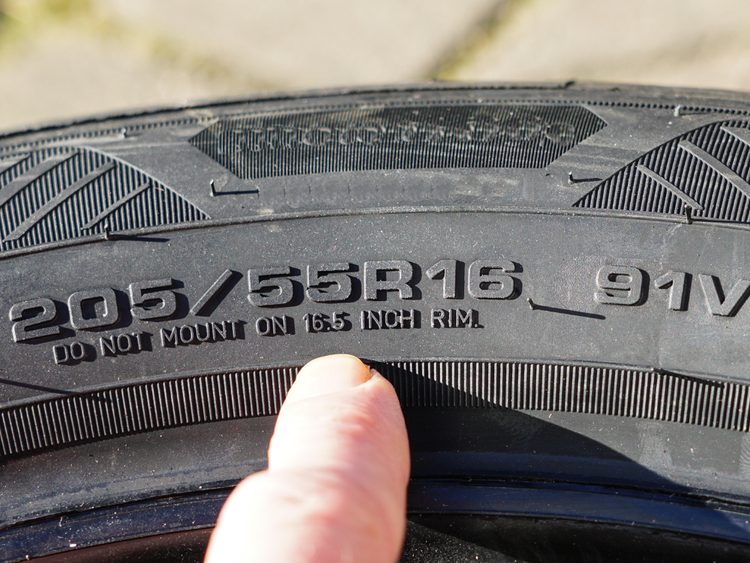
Those numbers on your tire sidewall tell you your tire size, plus how much weight and speed the tire is designed to handle.
For example, 215/65R15 89H means:
- 215 = tire width in millimetres (from sidewall to sidewall)
- 65 = height-to-width ratio
- R = radial construction
- 15 = rim diameter in inches
- 89 = load rating (how much weight the tire can carry)
- H = speed rating (maximum safe speed)
- LT in front of the tire size means that the tire is built for heavier loads, which is important for trucks carrying heavy lows or for towing purposes. For example, LT265/70R17.
Your vehicle is built for a specific tire size, so sticking with the manufacturer’s recommended size helps keep your ride safe and handling the way it should.
It’s easy — just enter your vehicle year, make, model, and trim in our tire search tool. That’ll show you the tires that fit, plus full pricing including installation, balancing, and taxes.
Pro tip: double-check your current tire size on the sidewall so you know exactly what you’re shopping for.
Proper tire pressure (PSI) keeps you safer, helps your tires last longer, and can save you money at the pump.
- Under-inflated tires make your vehicle work harder and wear faster on the shoulders.
- Over-inflated tires wear faster in the centre and can reduce traction.
Check your PSI at least twice a month when tires are cold, and follow the pressure listed in your owner’s manual or driver’s door jamb. If you want a hand, swing by your nearest Fountain Tire — we’re happy to help.
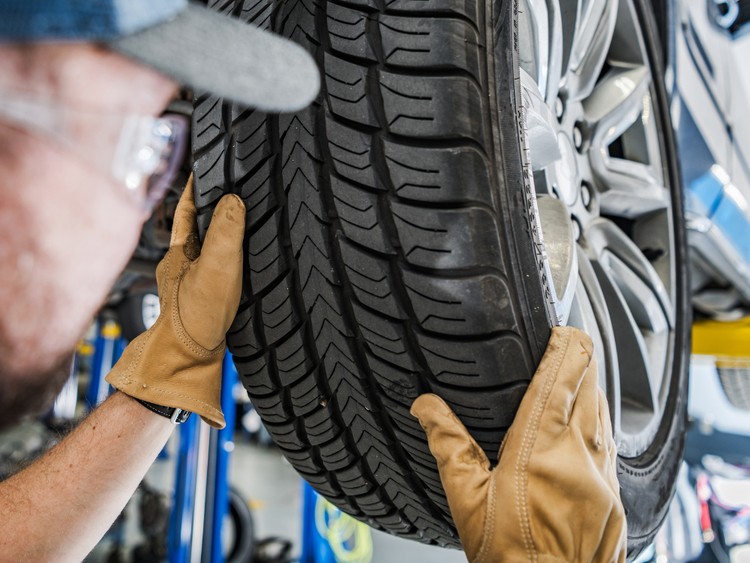
Tires wear out over time, so regular checks matter. Replace them when tread gets low:
- All-Season / All-Weather tires: replace at 1.6 mm (2/32")
- Winter tires: replace at 3.2 mm (4/32") for snow traction
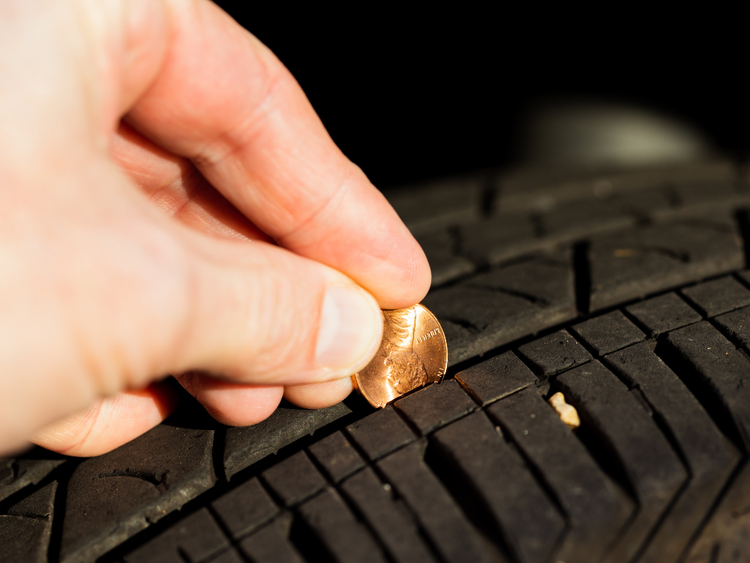
You can measure tread with a gauge, look for wear bars, or try the dime test. Not sure what you’re seeing? Give your local Fountain Tire store a shout — we’ll take a look.
Two main areas to know:
- Tread: the part that hits the road — it controls grip in dry, wet, and winter conditions.
- Sidewall/shoulder: the outer section that supports the tire and affects ride comfort and handling.
Both should be checked regularly for wear or damage.
If you notice any of these, your tires may not be wearing properly:
- Sawtooth edges
- One side wearing faster than the other
- Cupping or dips in the tread
- Outer edges wearing faster than the centre
This can be caused by low/high PSI, poor balancing, misalignment, or worn suspension parts. Our trained Fountain Tire associates can diagnose what’s going on and get you back on track.
Mixing different tire sizes, types, or tread wear can throw off your handling and stability — especially in wet or winter conditions. For best (and safest) performance, we recommend running a matching set of four.
And for winter tires, Transport Canada recommends sets of four too — because it’s safer. That’s why it’s our policy.